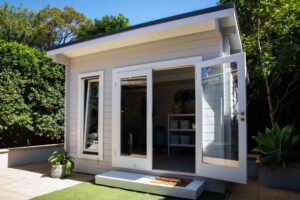
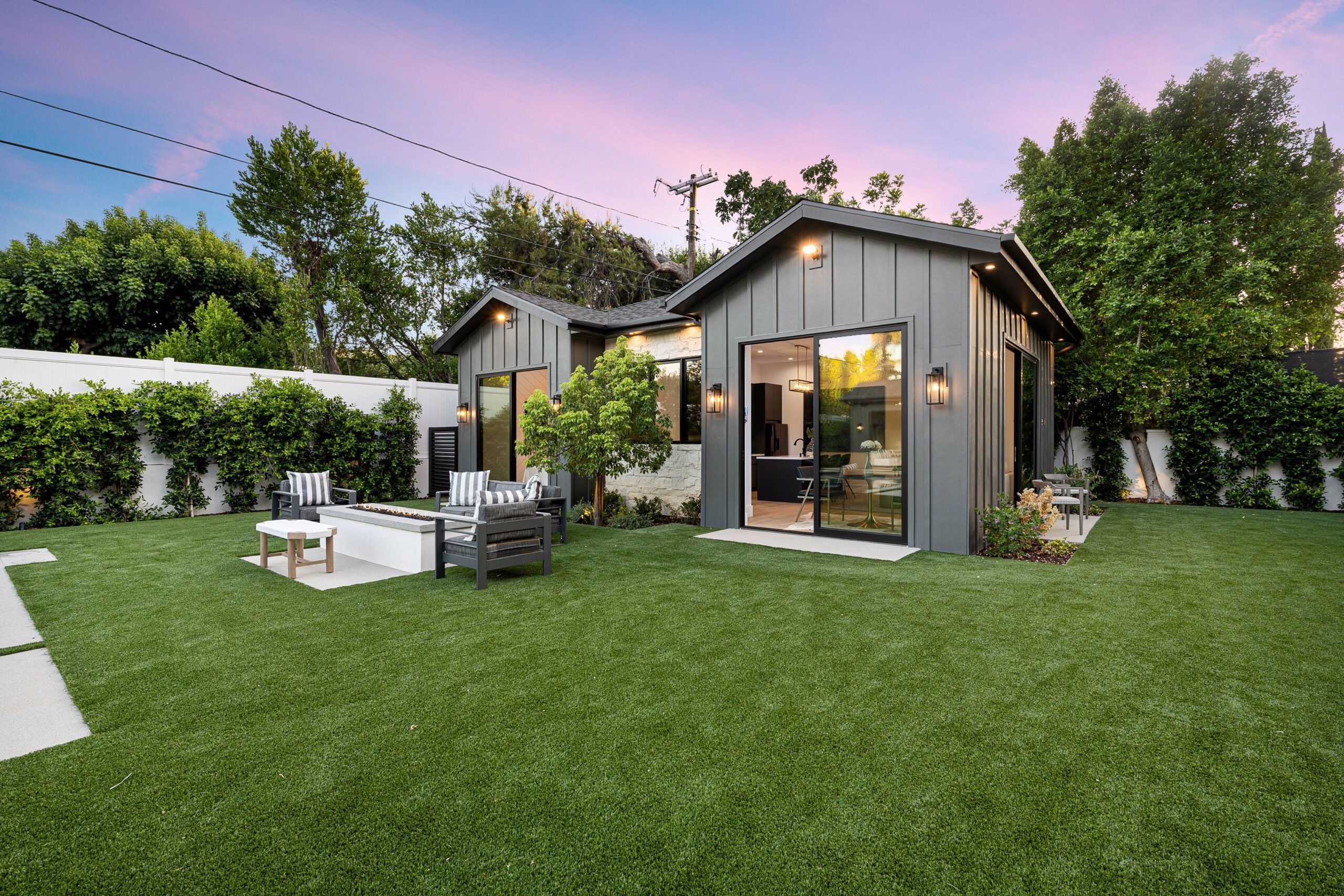
Accessory Dwelling Units (ADUs) remain central to regional housing discussions as communities seek practical solutions to affordability and low inventory. With rising construction costs and limited lot availability, municipalities are exploring ways to expand housing options while preserving neighborhood character. ADUs offer a strategic, incremental way to add supply without dramatically altering community design.
Local Community Discussions
In East Lansing, ADUs have been discussed at recent City Council meetings and are included in both the Age Friendly Communities Committee dialogue and the Comprehensive Plan update. Current single-family standards allow 25% lot coverage and a 15-foot maximum height, with average lot sizes around ¼ acre. The city is reviewing zoning language and considering provisions to allow renters, a key factor for financial feasibility.
Grand Ledge is exploring ordinance amendments to permit ADUs in single-family districts, with discussions focused on aging in place, “missing middle” housing, and affordability. In Owosso, a recent public hearing on Community Development Block Grant (CDBG) funds included ADUs as a potential housing strategy.
Why Policy Details Matter
ADUs can modestly increase supply and provide rental income opportunities for homeowners. However, policy details are critical. RPAC continues to advocate for reasonable neighborhood compatibility standards and practical building requirements that ensure financial and structural feasibility. Restrictive height limits, parking mandates, lot coverage caps, or utility requirements can undermine affordability goals and limit production.
As local governments refine these ordinances, clear and workable standards are essential to reduce uncertainty and expand housing opportunity.
REALTOR® Voice is Essential
REALTORS®, your frontline insight is critical. What challenges or patterns are you seeing with ADUs? Please contact LiChail Gaines to share your experience so we can continue advocating for policies that strengthen inventory, support affordability, and protect a functional housing market.